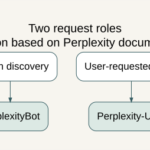
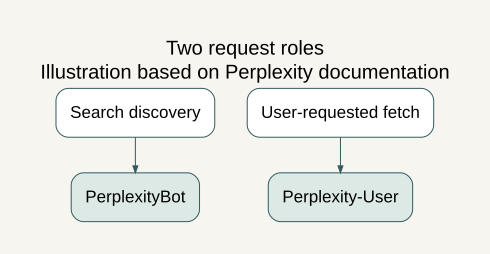
Practical analysis of search discovery and user-requested fetches: verify the request and its response before changing access rules or drawing conclusions about AI visibility.
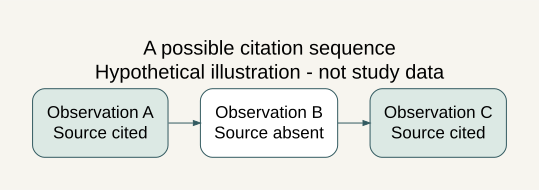
An October 29 Ahrefs study highlights citation volatility. For WordPress owners, consistent observations and clear edit records offer a better basis for decisions than an isolated screenshot.
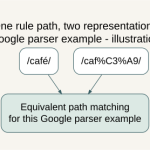
Google’s October 23 encoding clarification is a prompt to compare actual paths, rule scope and tool output before changing a multilingual WordPress configuration.
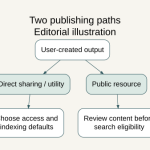
Google’s October 26 abuse-prevention guidance is a useful prompt to separate shareable tool outputs from reviewed public resources, and inspect which features create indexable pages.
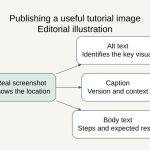
Practical analysis: give screenshots, alt text, captions and body copy distinct jobs, and review the images that carry essential instructions when a plugin changes.
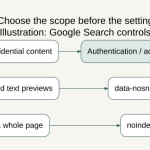
Google refreshed its content-control guide on October 21. Use the update to distinguish an unwanted text preview from a page that should leave Search, and from material that needs real access control.
What a new commerce case study means for WordPress owners: define the task, preserve user control, and evaluate completion before adopting experimental agent interfaces.
An analysis of Google’s October 16 documentation update and a practical WordPress workflow for separating submission, crawling, indexing, and useful reader outcomes.
An analysis of Bing’s October 13 Topics Portfolio announcement, with a practical editorial workflow for WordPress publishers and a clear separation between visibility, visits, and outcomes.
AI crawler requests and real visitors are different signals. Learn how to track both with OwlyCrackGeo, a free, open-source WordPress plugin—no separate account required.